Dried plant preservation
Pressed specimen
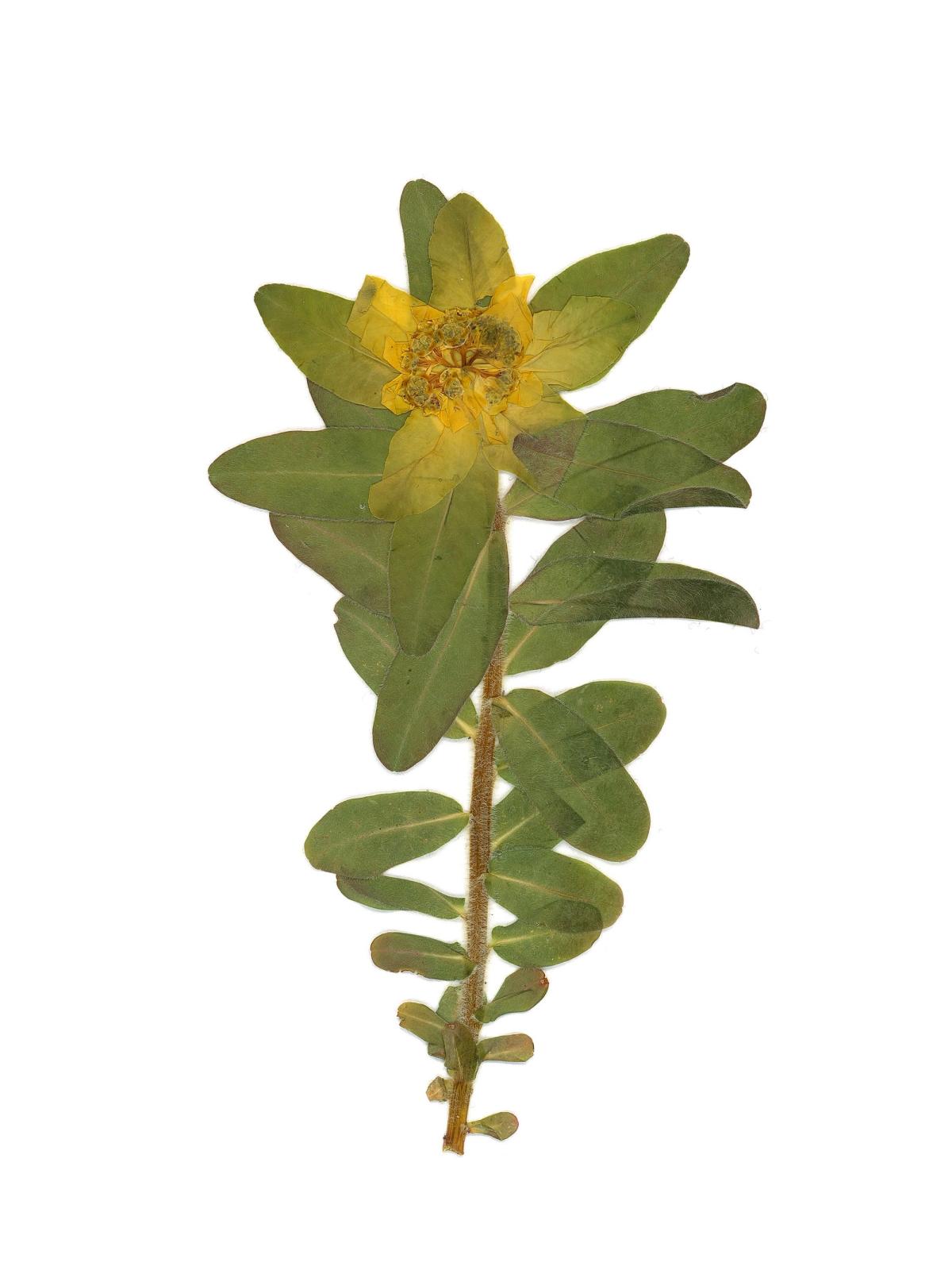
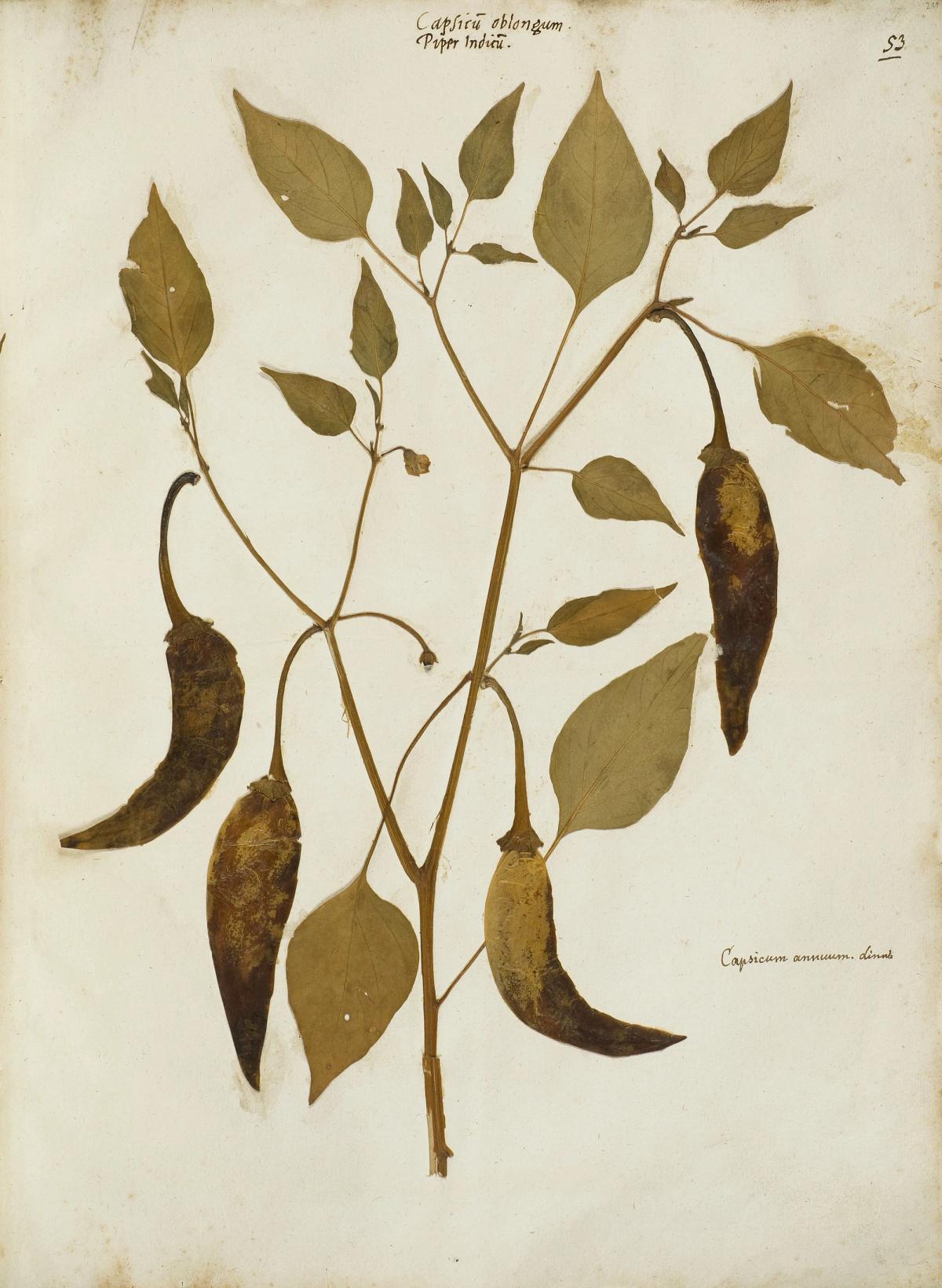
Pressed specimens are the classical herbarium format in which a collected plant is flattened, dried, and mounted on a sheet with a label documenting provenance, date, collector, and habitat, creating stable reference objects for study, comparison, and classification. The practice emerged in the late 16th century as physicians and apothecaries documented medicinal plants; Felix Platter’s Herbarium (ca. 1570s–1614) at the University of Basel exemplifies this with ~850 pressed sheets from Europe and North Africa, often including roots and notes.
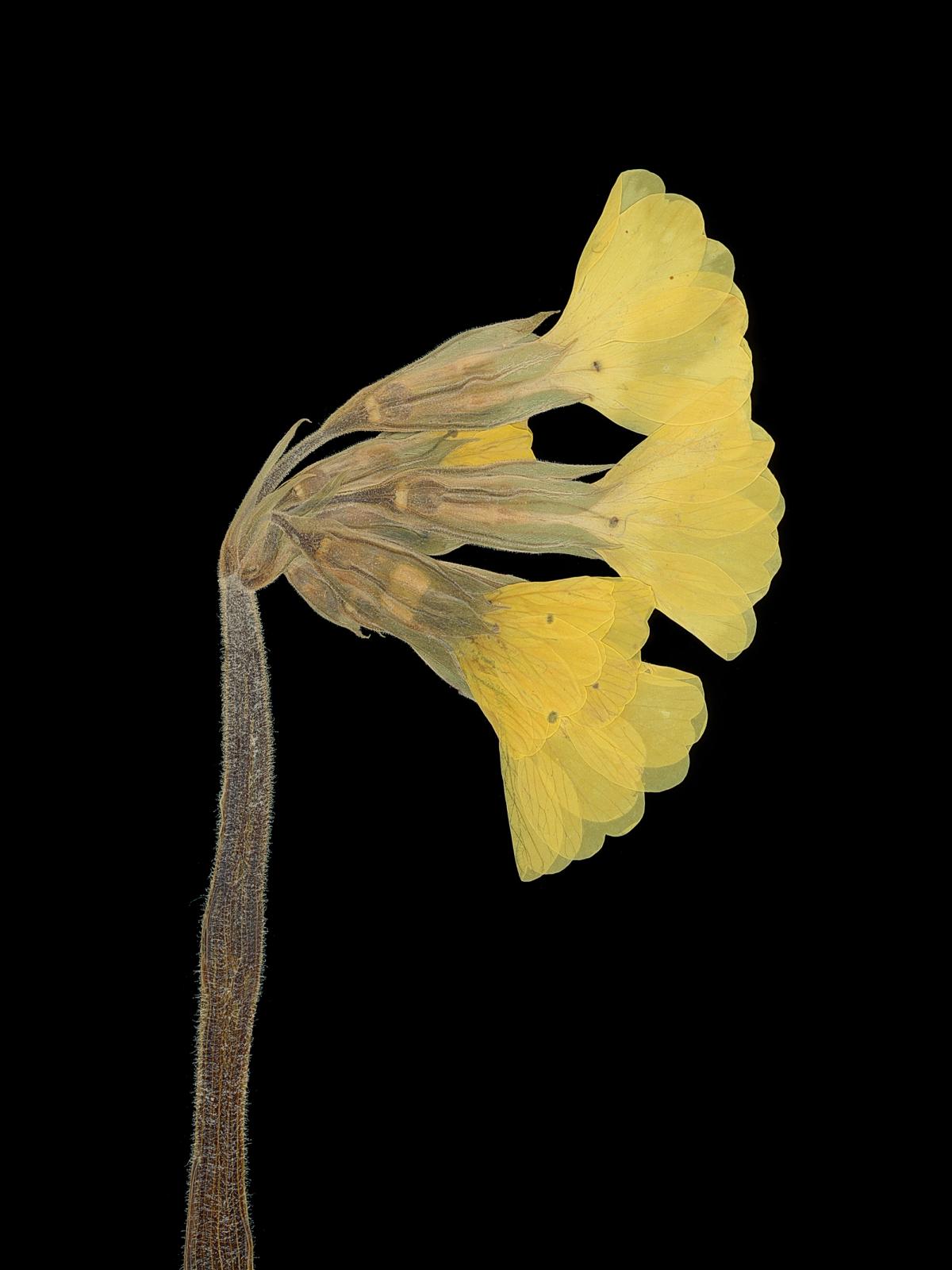
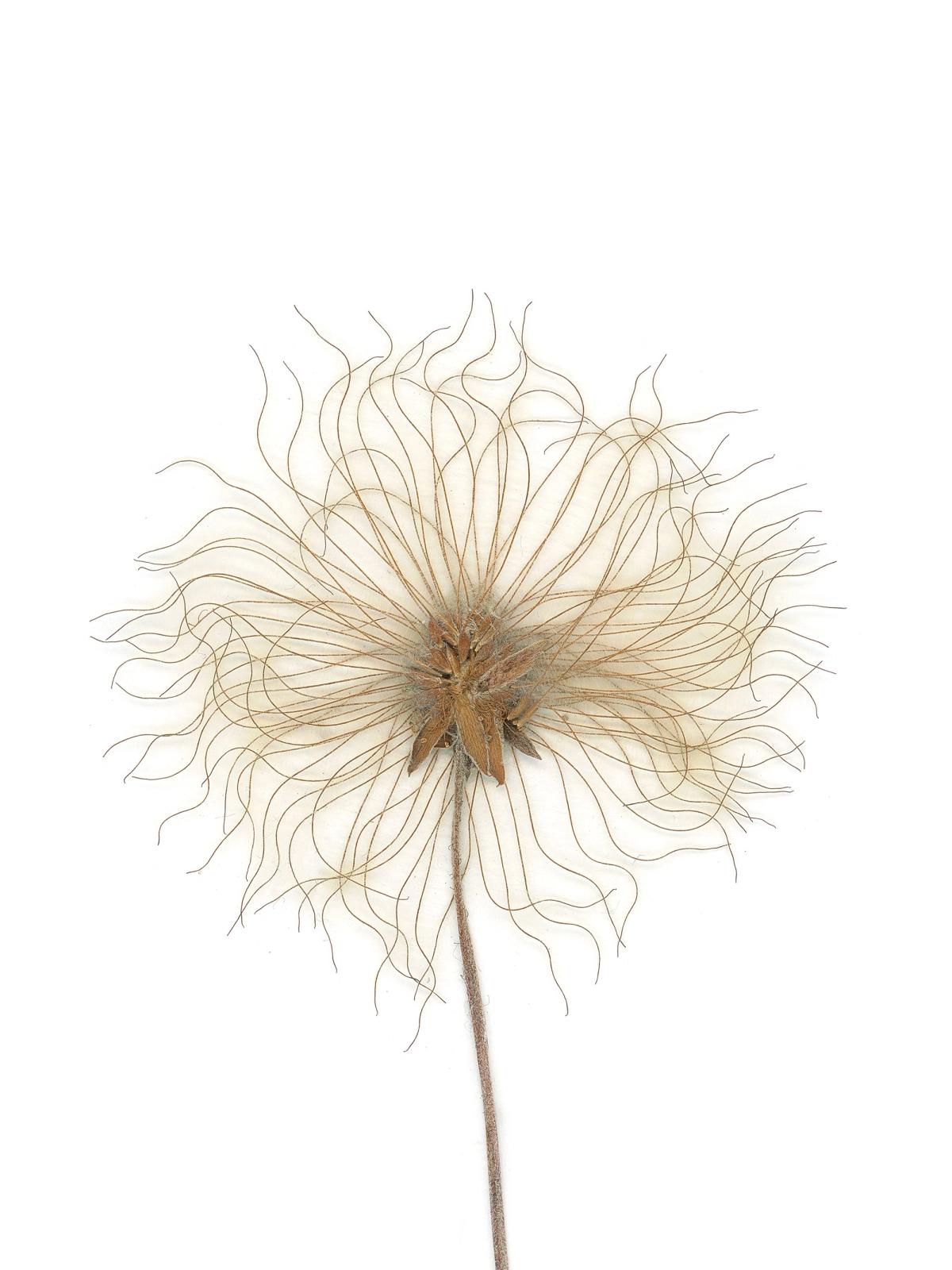
Pressing renders fine morphological details—phyllotaxy, glands, inflorescences, margins, and petal counts—visible and permanent as flattened, high-contrast silhouettes against the mounting sheet. A black background, as alternated in Primula elatior imaging, shifts perception by deepening shadow definition and intensifying internal venation, while a white background maximizes edge contrast for outline clarity.
Pressed specimens excel at standardizing external morphology—leaf shape, venation, inflorescences—for taxonomy, storing compactly and enduring handling, though they distort three-dimensional habit, fade colors, and lose traits like scent or texture.