Emily Dickinson: Herbarium
Emily Dickinson (1830–1886) is best known as a poet of compressed language and radical form, whose nearly 1,800 poems explore death, time, consciousness, and the inner weather of emotion from the confines of her Amherst home. Less widely known, but just as formative, is her lifelong engagement with plants: she was an avid gardener, and roughly one-third of her poems and half of her letters mention flowers, drawing on the nineteenth-century “language of flowers” to encode feeling and thought in botanical imagery. In this sense, Dickinson’s literary world is also a botanical one, where blossoms, stems, and seeds become recurring figures for desire, secrecy, and spiritual inquiry.
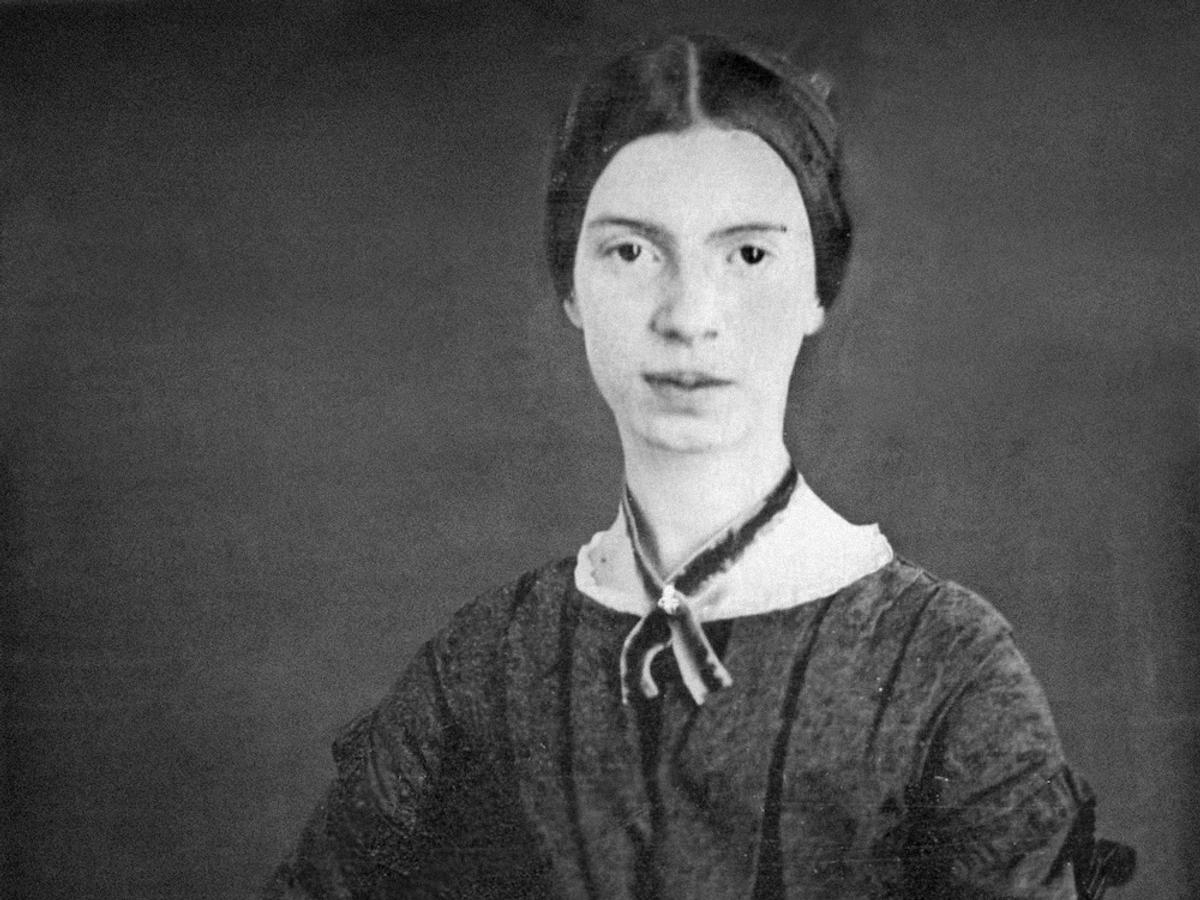
Emily Dickinson, 1830–1886 [1]↓
Around the age of fourteen, Dickinson assembled an herbarium in a patterned green album, mounting 424 carefully pressed specimens—largely native or naturalized species from western Massachusetts, along with a few houseplants—on 66 pages labeled in neat, mostly Linnaean script. These plants are arranged with exacting attention to spacing, balance, and rhythm, transforming each sheet into a self-contained visual field where slim paper strips serve as both functional hinges and subtle compositional guides.
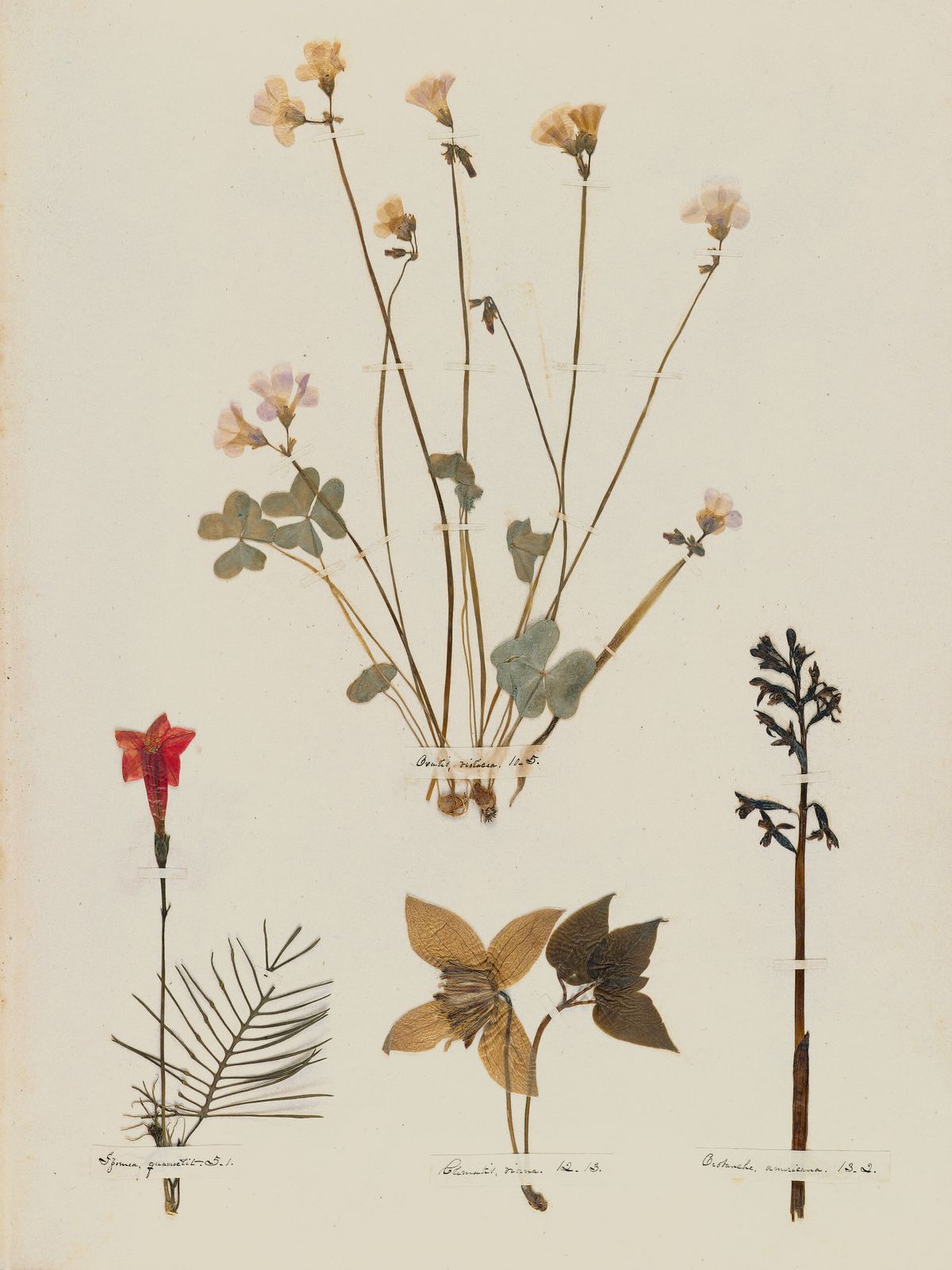
Emily Dickinson, Herbarium, 1839-1846, seq. 19 [2]↓
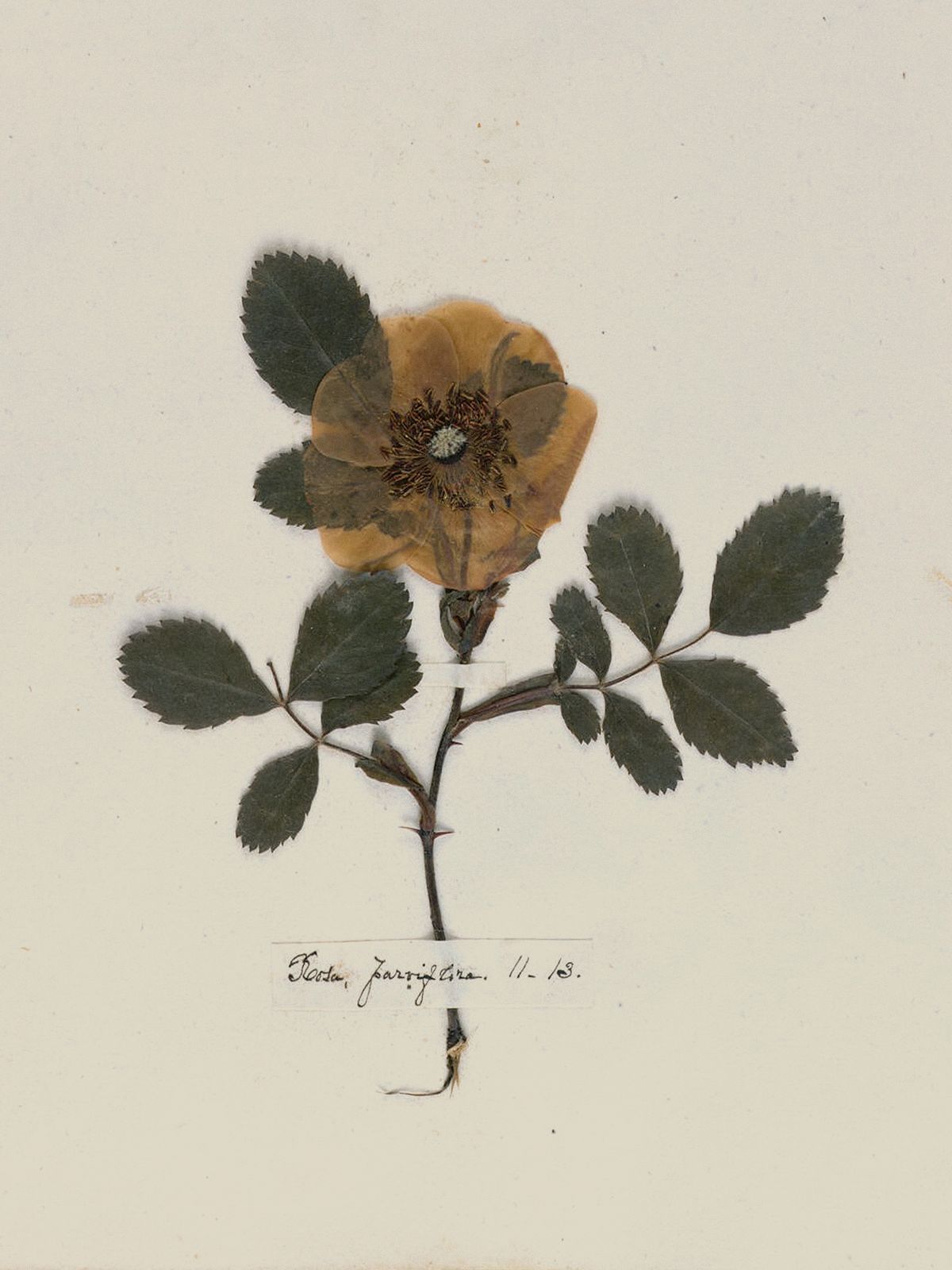
Emily Dickinson, Herbarium, 1839-1846, seq. 14 [2]↓
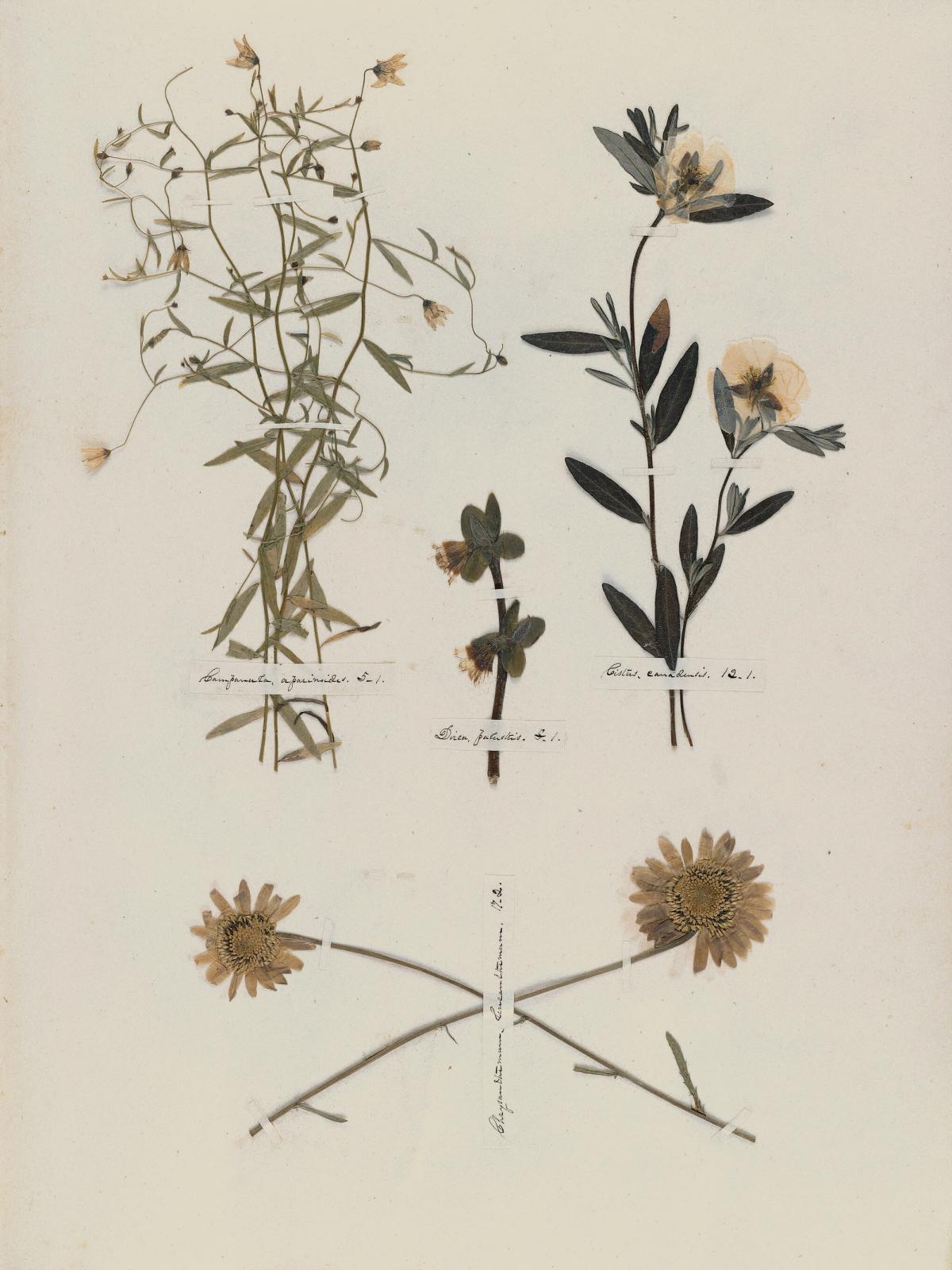
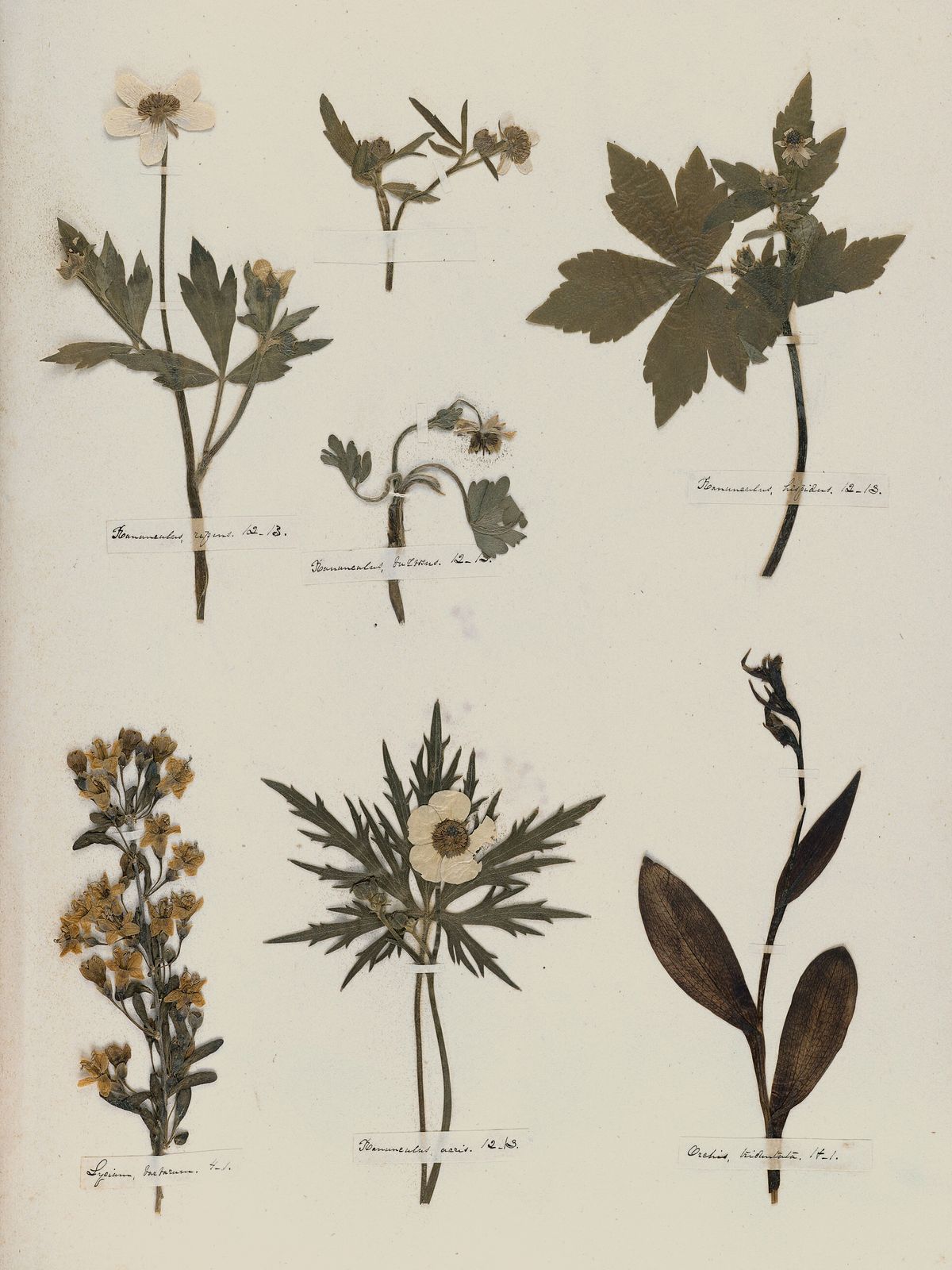
Dickinson grouped related plants thematically—often by genus or family, such as multiple asters or roses on a single page—to create internal echoes of form and color, varying density from sparse singletons to visually rich arrays that fill the space without overlap. Labels in her careful, even hand sit parallel to stems or perpendicular to the page edge, integrating text and image into a rhythmic whole that guides the eye across the surface. The notable page of eight Viola species exemplifies this controlled harmony, with varied specimens arranged in a loose arc around a central void that balances taxonomic display with pictorial grace, turning scientific documentation into deliberate aesthetic composition.
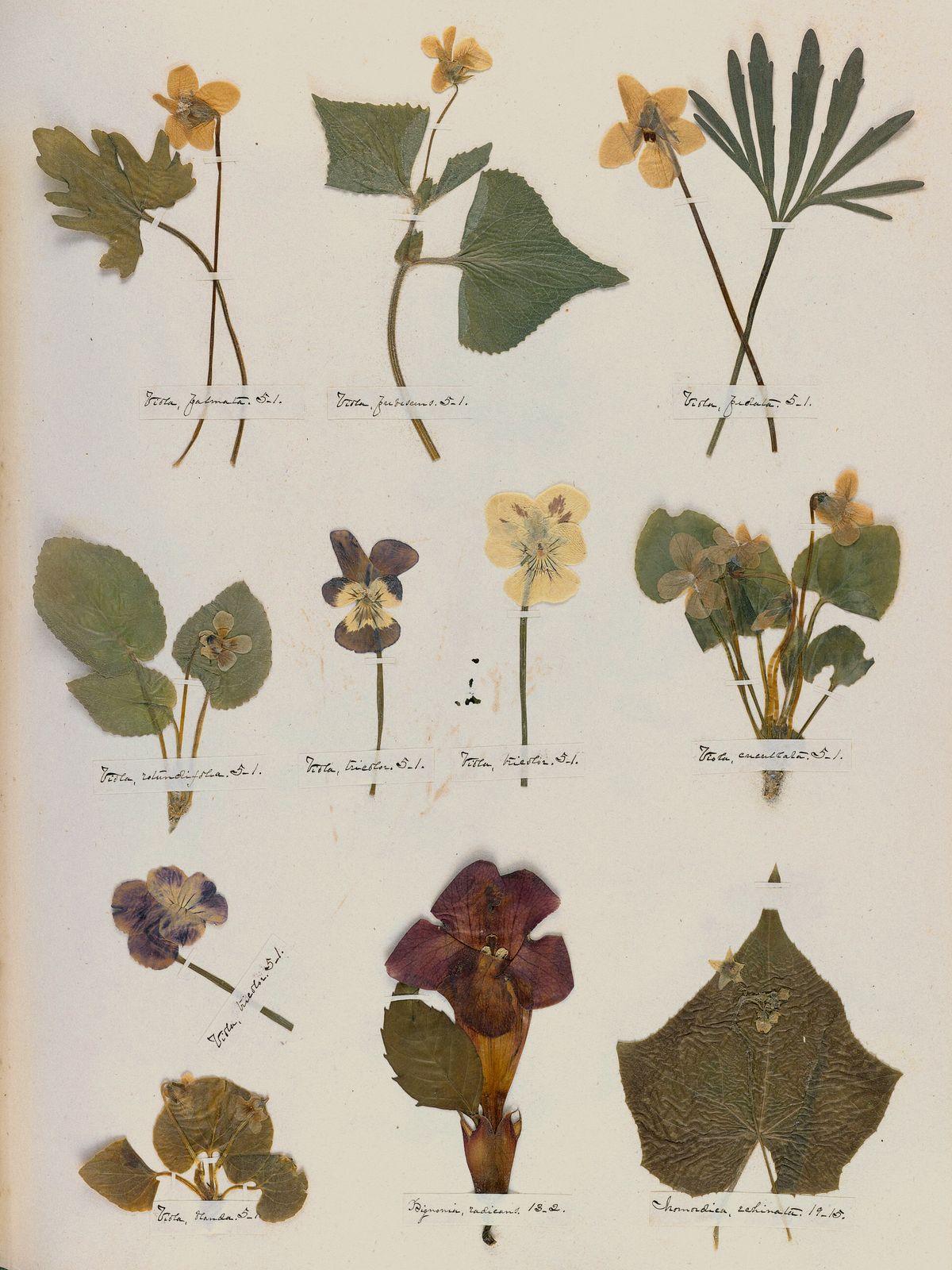
»Violas«, Emily Dickinson, Herbarium, 1839-1846, seq. 49 [2]↓
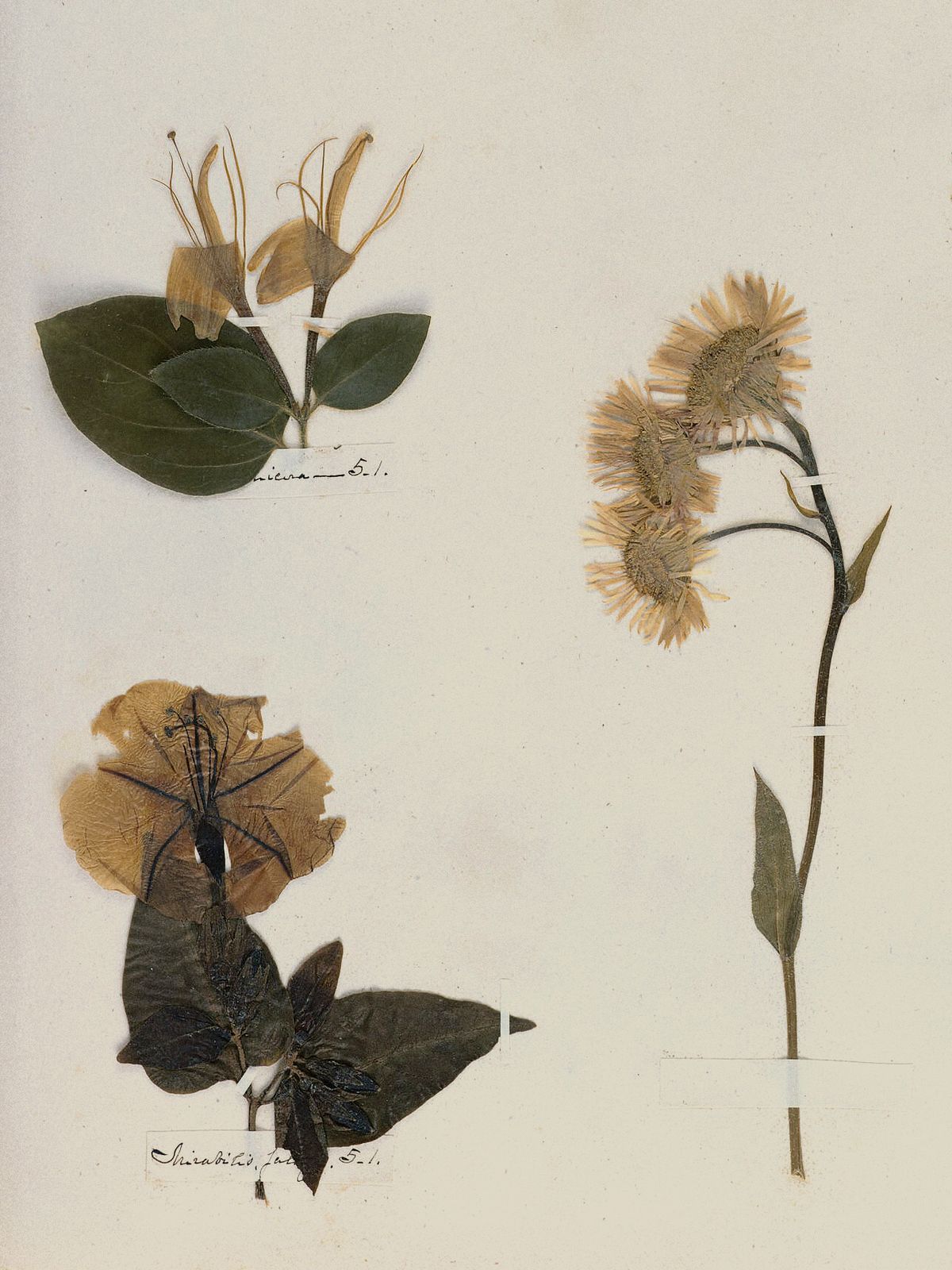
Emily Dickinson, Herbarium, 1839-1846, seq. 55 [2]↓
To make a prairie it takes a clover and one bee,
One clover, and a bee,
And revery.
The revery alone will do,
If bees are few.
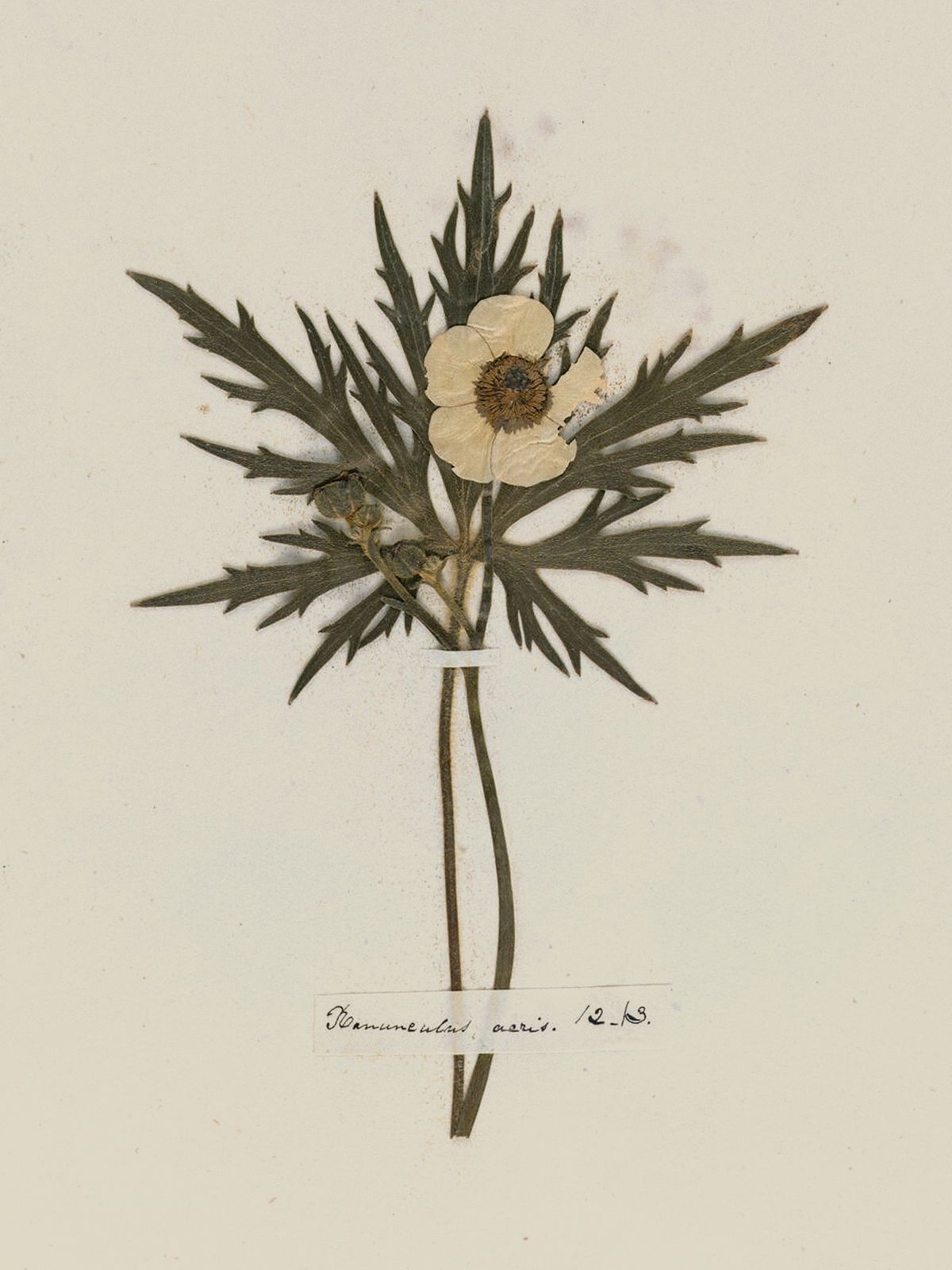
Emily Dickinson, Herbarium, 1839-1846, seq. 26 [2]↓
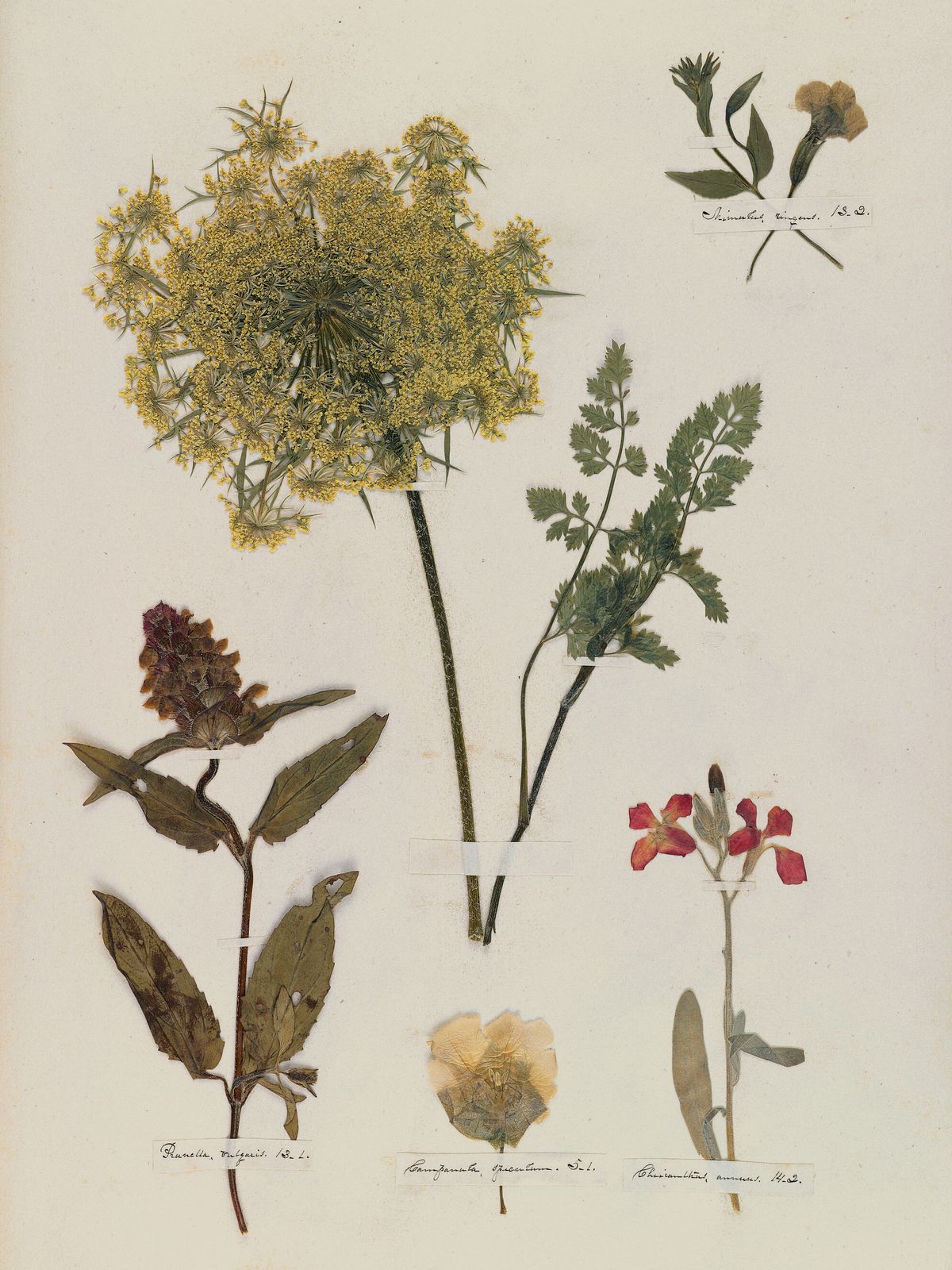
Emily Dickinson, Herbarium, 1839-1846, seq. 12 [2]↓